Reading a Chinese painting: seals, inscriptions and format
A traditional Chinese painting carries more than its image. Learning to read its parts deepens both appreciation and confidence when collecting.
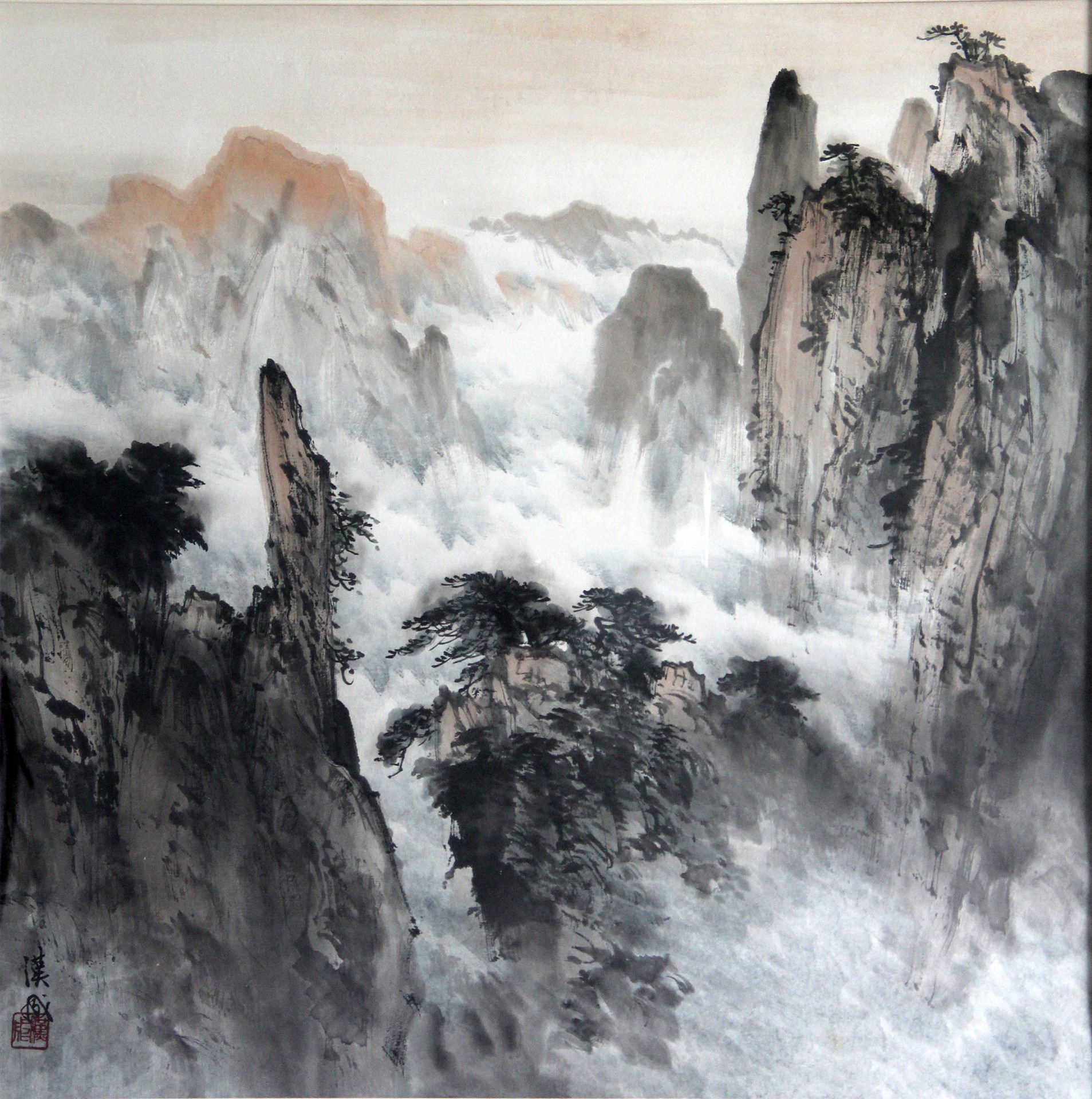
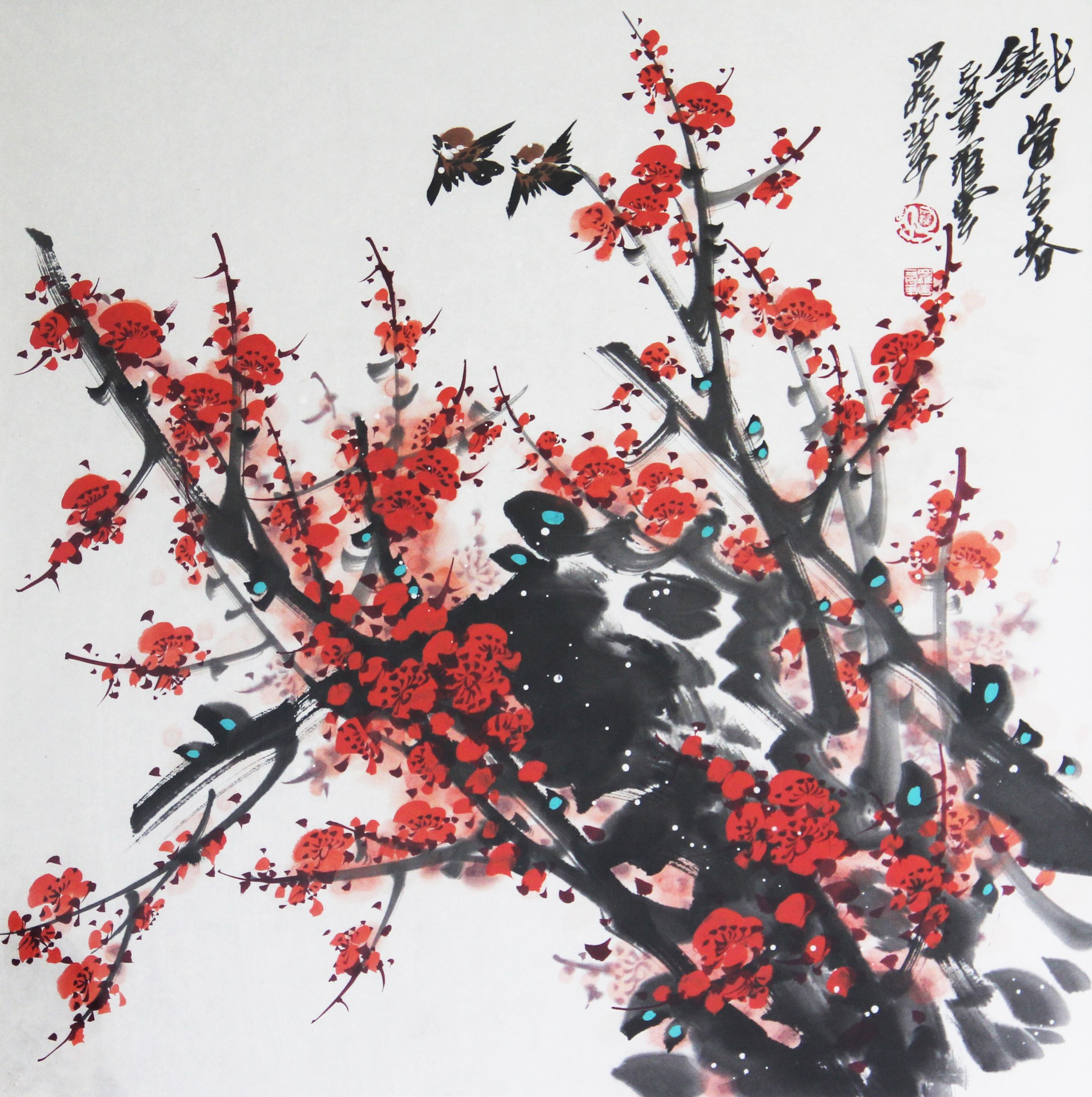
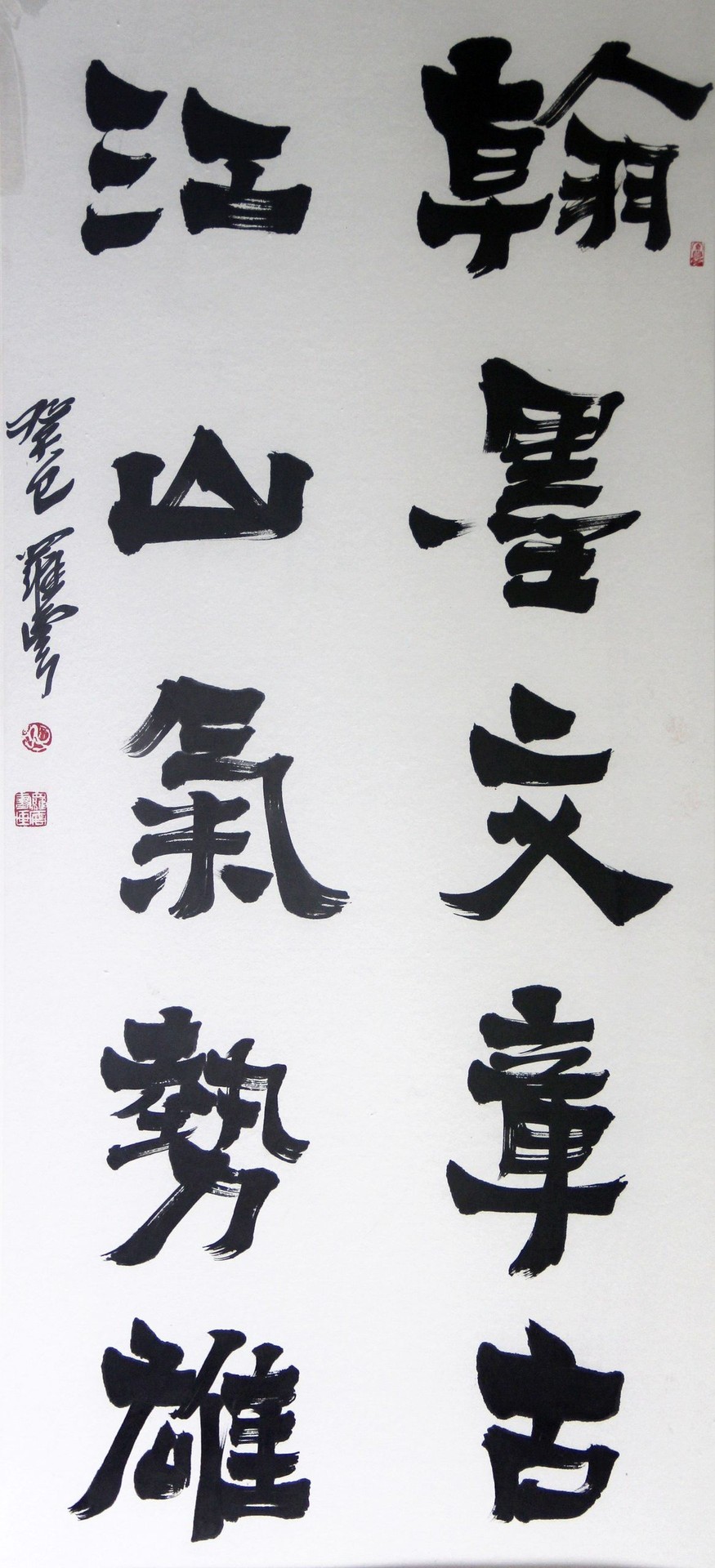
The seal. The small red impressions are seals, carved in stone and stamped in cinnabar paste. An artist's seal and signature usually sit together; collectors' seals may be added over time.
The inscription. Columns of brushed characters — a poem, a dedication or a note on the occasion — are read top to bottom, right to left. They are part of the composition, not a caption.
The format. Works come as hanging scrolls (vertical), hand scrolls (long horizontal), album leaves, fans and framed pieces. Dimensions are given height by width in centimetres.
Medium. Guóhuà is Chinese painting in ink and mineral colour on paper or silk; calligraphy is an art in its own right; the school also includes oil and print.
When in doubt, ask. Our advisors are glad to explain a work's seals, inscription and format before you decide.